
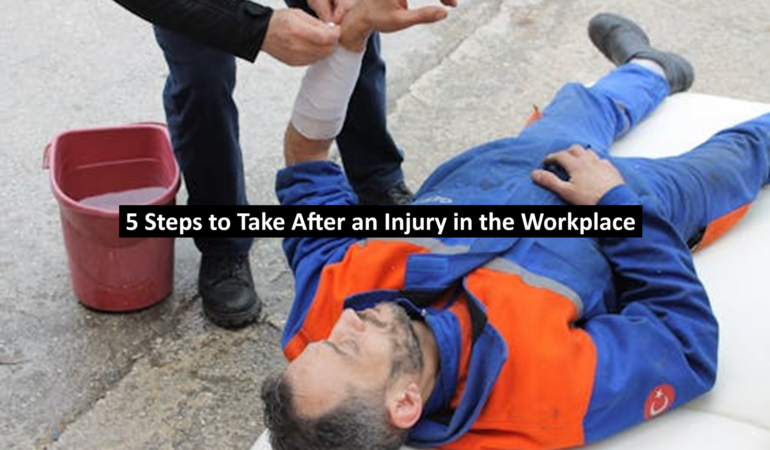
One minute, you’re doing your job, and the next you’re in pain – panicked by the stress of not knowing what to do next. No matter what your injury is, it’s completely normal to feel overwhelmed in the moment, as what you do next will make a huge difference to your health and recovery, as well as the consequences for your employer if it wasn’t your fault.
But just because it’s a legal process, it doesn’t mean things have to be complicated. Here are five clear, practical steps you can take following an injury at the workplace.
Seek Medical Attention
Before you even consider the legal ramifications of the injury itself, your own health needs to come first. Even if it might not seem severe at first glance, it’s paramount that you get it checked as soon as possible. Let’s be honest, unless you’re a medical professional yourself, you have no way of judging the severity of the injury. After all, there are plenty of injuries that seem insignificant on the surface, but in actual fact can develop into something more severe.
If the injury requires urgent attention, either call an ambulance or ask someone else nearby to do so. If your injury seems less severe, report it to your employer’s first aid officer before going to hospital. Be honest and include as much detail as you can about the events that led to your injury and how you’ve felt since. Even seemingly minor symptoms like stiffness or dizziness are worth describing, because they’ll help others to understand the full extent of the situation.
Ensure that your visit is 100% documented. You can request copies of medical reports, treatment summaries, and recommendations. These documents will come in handy if you try to claim compensation in the future.
Read: How Federal Immigration Ordinances Shape Employment, Trade, And Travel
Report the Injury to Your Employer
Once you have reassurance from medical authorities that your condition is stable, you’ll need to update your employer on the details of the injury as soon as possible. Lots of people hesitate at this stage because they’re afraid that they’re just making a fuss, but the reality is that this happens from time to time, and most employers are prepared for it. In fact, the vast majority of organisations have their own formal processes for reporting workplace injuries, but if you’re unsure, check in with your line manager.
It’s critical that you stick to the facts when reporting the injury itself. Make sure you describe exactly what happened, when it happened, and where it happened, ensuring that you make note of any tools, equipment, or hazardous conditions that caused the injury to happen. These details will help your employer understand exactly what went wrong and how an injury like this can be prevented in the future.
Keep Your Documentation Organised
After that, it’s important that you have a copy of your employer’s injury report once it’s completed. Keep it in the same place as the copies of your medical reports.
On top of that, you should make sure that you have the essential details written down. The time, date and location of the injury, along with what you were doing at the time, are the most important details, but reports from eyewitnesses, descriptions of your symptoms, medical treatment, and the amount of time you had off work should also be noted down.
If possibhle take photos of the place where the injury happened – especially if the conditions at the time were hazardous. What’s more, make sure that you have photos of your injuries throughout the recovery period.
Know Your Rights: Seek Legal Advice
Learn what you are entitled to. Your employer can provide you with some information about how to file a claim and what the process would look like. In most cases, it’s better to seek legal support and speak with a professional who can tell you everything there is to know about workplace injury claims, as well as let you know if you have a case.
If you have a case and you’re seeking compensation from your employer because you weren’t the one at fault for the injury, then follow the lead of your legal counsel. It’s their professional duty to ensure that they represent you to the best of their ability, and now, you’ve done all you can to support them.
Recover
No two injuries are exactly the same, so everyone’s path to recovery is different. Be patient. Don’t rush back into work because you feel the pressure to be back on your feet. Follow the advice of the hospital or GP and follow the recovery plan they’ve set out. Get the rest you need and attend all of your follow-up appointments in the meantime.
Although it might cause some nerves, you should stay in touch with your employer throughout this period. Give them frequent updates on how your recovery is going, with an expected date of return pencilled in.
Closing Thoughts
The worst days all tend to start out as relatively ordinary. Get up, go to work, do your job, but then, all of a sudden, your world has turned upside down. It isn’t always up to you how the accident happens, but you can control your reaction to it.
Prioritise your health, follow your workplace’s reporting process, ensure you have all of the evidence and documentation you need, and seek legal advice. No matter where you’re based, you shouldn’t have a difficult time finding support; you can find personal injury solicitors in Liverpool, Cornwall, Newcastle, and even in rural locations. As long as you have a clear plan, you should be able to put your energy where you need it most: getting better.
